SOS Blog

Showing posts with label summer. Show all posts

Wednesday, August 21, 2019

Treating Summer Injuries

Common Childhood Injuries & How to Treat Them


With summer in full swing, it’s the perfect opportunity to get the whole families outdoors. We know that physical activities like riding a bike, playing sports and swimming stimulate your child’s imagination in addition to being great options for exercise. We also know that such activities can also lead to nasty injuries. After all, everyone has at least one story of how they injured themselves during childhood. As a parent, the best thing you can do in these situations is to make sure you are prepared for whatever comes your way. In this blog, we’ve broken down how to deal with the most common kid injuries.


Jammed Fingers


A jammed finger is typically a sprain to the joint or knuckle of the finger. You are probably pretty familiar with how this type of injury feels, as it is fairly common - although typically minor. Look out for symptoms including redness and swelling, mild pain and stiffness as identifiers of a jammed finger. The duration and severity of these symptoms depend on how bad the injury is, but if your child’s pain is intense or lasts more than 24 hours, take them to a doctor. 

Potential causes of a jammed finger can vary. This injury is very common for kids who play sports, especially basketball, baseball or volleyball, where a stray hand has the potential to absorb the impact of the ball. Jammed fingers can also occur when a door or drawer is closed on a finger or when your child puts down their hand to break a fall. 

The best way to treat a jammed finger at home is by following RICE. This acronym stands for:


  • Rest: Avoid allowing your child to use the hand in any other physical activities until the sprain has healed.
  • Ice: Ice is extremely helpful for reducing swelling and redness. Apply for 15 minutes at a time for the first 24 hours of injury or until the swelling goes down.
  • Compression: You can genty wrap your child’s finger with a compression bandage in order to reduce swelling and aid healing. This option can be good for parents who cannot always be there to watch over their child and make sure they are not using their sprained finger!
  • Elevation: Rest your child’s hand on a pillow in which their elbow is lower than the affected hand. This will work to reduce inflammation and pain. 

Please note that it’s important to see a doctor if the finger appears crooked, your child develops a fever following the injury, the swelling worsens despite home remedies or the pain increases. It is always better to be safe than sorry.

Scraped Knees

Scraped knees are one of the most common injuries for your child, as they can easily take a tumble while riding a bike or falling down on concrete. Thankfully, they are fairly easy to treat and usually minor. However, it is very important to complete the necessary treatment steps at home so that the scrape does not become infected. 

Every household should have the following products to treat a scraped knee:


  • Gauze
  • Antibiotic ointment
  • Bandages

The very first thing to do when your child comes to you with a scrape is to wash your own hands. Hands carry a lot of germs, and an infection of this injury would be the worst case scenario. Next, use gauze to stem the bleeding, if necessary. Gently apply pressure to the wound until the bleeding stops. Then, apply an antibiotic ointment to the injury. This step is the most effective way to prevent an infection, so be sure not to skip it! Finally, add a bandage on top of the wound. Gently wash the skinned knee each day, changing the bandage every time you do so. 

Throughout the healing process, it’s important to watch for infection. Signs of infection include:


  • Yellow or green drainage
  • Worsening redness
  • Swelling or pain
  • Heat radiating around the wound

If these symptoms are present, please consult a doctor for treatment. 

Head Injuries

These types of injuries can be tricky, as there are many different kinds with varying degrees of urgency. The first form of head injury to consider is bumps and cuts. It’s easy for children to get minor wounds to the face if they are distracted while playing. Although these injuries may seem frightening, they are thankfully usually minor and able to be treated at home. 

Similar to a scraped knee, you’ll need to stop the bleeding by applying pressure with a clean cloth. Wash the area well with soap and water, then apply antiseptic cream. Be sure to cover the area with a bandage to make sure it does not worsen. 

Similarly, minor bumps are fairly common and usually nothing to worry about. Apply ice to the bump for 15 minutes at a time and monitor your child’s behavior. However, some head injuries can cause serious consequences if left untreated. If you see your child exhibit multiple of the following symptoms, take him or her to the doctor immediately:


  • Severe bleeding
  • Severe headache
  • Fluctuating consciousness
  • Confusion
  • Loss of balance
  • Unequal pupil size
  • Slurred speech
  • Repeated vomiting

These symptoms could be signs of a more serious injury such as a concussion. 

Burns

Burns are most commonly caused by hot cooking surfaces, fires or even the sun. The first step in treating these injuries is to know what type of burn is present. Burn injuries are rated from first to third degree, depending on the severity. Each type is treated differently, so it is important to know the differences between the three. 

A first-degree burn is known as a superficial burn. These are the mildest type of burn, as they only affect the top layer of skin. This type of burn results in pain and reddening of the skin. Superficial burns can easily be treated at home with products like aloe vera or ointment. If your child continues to be uncomfortable due to the pain, you can give them pain medication. 

Second-degree burns are slightly more intense. In addition to pain and redness, swelling and blistering is also present.
Did you know the sun can cause these types of painful burns? To avoid painful second-degree burns and exposure to harmful UV rays that can result in cancers later in life, be sure to use sunscreen when allowing your child to play outdoors. 

Second-degree burns typically require a prescription for creams or ointments to more effectively treat the injury. 


Other Preventable Injuries

Most of the injuries your kids encounter will be minor, however, every parent should be equipped with the full knowledge to make the best decisions for their children’s wellbeing. Drowning and poisoning are among two of the most deadly injuries children can receive. In fact, one in five of those that die from drowning are children under 14. See below for resources to educate yourself on water safety and poison prevention:


Tuesday, July 23, 2019

Summer Safety Tips for Heat

Summer's in full swing, and that can only mean one thing: More arising opportunities for injuries and accidents. Ok, so it's not all gloom and doom, but what better way to transition into any season than with the complete peace of mind that only proper preparation can bring?
Being properly prepared can't stop every disaster in its tracks, however, understanding your risks and being prepared with the right equipment, knowledge and a game plan can mean the difference between fun and fiasco.
Because summer comes but once a year, it can be easy to forget proper summer safety. Last year, you swore you'd start applying sunscreen 20 minutes before heading outside and that you'd reschedule your evening runs for the morning, but as summer turned to fall and fall to winter, your summer safety skills naturally waned. Worry not. In today's post, we'll be talking about one of the most common summer-related dangers: heat.


Heat Safety

As temperatures begin to rise, many parts of the country are already experiencing some of the more negative effects of heat. Sun and warmth are an essential part of any summer vacation package, but when temperatures begin to creep into the 80s, 90s and beyond, it's time to exercise additional caution.
Heat is experienced differently by different people; some have a higher tolerance for it and will feel less hot while others are already wiping the sweat from their brow. However, sweating and feeling hot can oftentimes be poor indicators of heat-related risks. Regardless of how well you think you can tolerate the heat, during the summer you should always:

  • Drink more water
  • Use ice, if available
  • Use a fan or air conditioning
  • Avoid the outdoors between 11am and 4pm
  • Limit physical activity outside
  • Protect yourself with sunscreen
  • Wear loose clothing that can breathe
  • Wear a hat or carry an umbrella

Some people are more susceptible to heat-related dangers than others. Additionally, dogs - particularly those with dark coats and short noses - are also more prone to overheating during the summer months.
We’ll cover dogs in more detail further on.

Age
Age is a major risk factor for heat illnesses including heat exhaustion and heatstroke. Because the central nervous system controls your body's temperature, small children and adults over the age of 65 are not capable of coping with extreme heat as well as healthy people in their 20s, 30s or 40s.


Medications
Your body's ability to cool itself depends on a variety of factors including sweating and blood vessel dilation. If you take medications that act like diuretics, making it difficult to stay hydrated, or you're on blood pressure regulating medication, which can narrow your blood vessels, you will be more inclined toward developing heat illnesses.
Additionally, certain types of medicines such as antibiotics, increase your risk for developing a sunburn. Your doctor should talk to you about your medications' side effects, however, if you have concerns about the medications you're taking you should always feel comfortable about starting a conversation with your doctor.


Drugs & Alcohol
Drinking alcohol affects your body's ability to regulate your temperature and is a diuretic, which causes dehydration. Diuretics confuse your body into thinking that it needs to get rid of excess water to restore the balance in and around your cells. Because of this, you'll urinate more frequently. However, because your body isn't actually storing any excess water, you'll end up becoming dehydrated, which is particularly dangerous in the summer when you're also sweating.

Dehydration is a loss of fluid and an upset in electrolyte balance. If you've consumed alcohol, energy drinks or coffee, or you're dehydrated from exercise and sweating, it's vital that you don't just replace fluids in large quantities. Consuming plain water may result in a further imbalance, which can cause complications such as fainting and irregular heartbeat.

  • Avoid alcohol
  • Drink coffee in moderation
  • Consume water regularly
    • Pair water with orange slices  and pickles for electrolyte replenishment
Electrolytes consist of potassium, sodium, calcium and magnesium. Here are some additional natural sources to help replenish your electrolytes safely and effectively:

  • Almonds
  • Avocado
  • Bananas
  • Bell Peppers
  • Bok Choy
  • Broccoli
  • Cashews
  • Collard Greens
  • Dried Fruit
  • Kale
  • Kiwi
  • Melon
  • Peaches
  • Spinach
  • Sweet Potatoes
  • Swiss Chard
  • Tofu

What Are Heat-Related Illnesses?


Heat Exhaustion

Heat exhaustion is the result of overheating, which can be caused by any of the factors we already discussed above. Anyone can be prone to overheating, so it's important to take proper precautions to help prevent heat exhaustion.

The early warning signs of heat exhaustion include:

  • Headache
  • Dark urine
  • Thirst
  • Dizziness
  • Heavy sweating
  • Increased pulse
  • Muscle cramping
  • Stomach upset

Heat exhaustion is a dangerous condition because it can quickly evolve into heatstroke, which is life-threatening. Preventing heat is particularly important in people who are already at risk for developing heat-related illnesses.

Heatstroke

Heatstroke is defined by a core body temperature of 104 F or more. If left untreated, heatstroke is life-threatening, damaging the brain and other vital organs including the heart and kidneys.

Symptoms of heatstroke include:

  • Lack of sweating
  • Throbbing headache
  • Nausea and vomiting
  • Rapid pulse
  • Unconsciousness

If you suspect heatstroke, take action immediately!


  • Move the affected person inside
  • Remove any excess clothing
  • Cool the person with whatever means available
  • A fan
  • Water
  • Ice
The head, neck, armpits and groin are the most effective and critical parts of the body to focus on when applying cold. Seek medical attention as soon as possible.

Pet Safety


We aren't the only ones at risk for heat-related illnesses. Our furry companions, while they might seem more robust, are just as susceptible to suffering from overheating. Additionally, dogs can also easily experience burns, both from sun exposure and from hot pavement. Help your dog stay safe this summer by understanding the risks and learning about prevention.


Overheating

Dogs "sweat" by panting, but because panting is limited to a smaller surface area, this method of staying cool is actually significantly less effective than our ability to full-body sweat.
This means dogs are in fact more susceptible to heat-related illness, and certain breeds should additionally be treated with more care. These include large breeds, long-haired and dark breeds, and breeds with short noses.


Burns

Dogs have feet that are padded with lots of fat similar to whale blubber, which provides when with excellent insulation for trekking through snow. However, dogs' feet aren't immune to injury. Extreme heat, sharp objects and even snow can cause damage to your pooch's pads, and summer sets a perfect stage for mishaps.


While you may not reside in a particularly hot climate, remember that heat builds up and rises over time. On asphalt and concrete, heat can accumulate enough to fry an egg on a hot and sunny day. While the pads of your dog's foot can protect him from rocky terrain and some temperature extremes, his skin isn't burn resistant.

  • Touch concrete for five seconds
    • If it's too hot to comfortably touch, it's too hot to walk on
  • Apply sunscreen to white dogs and those with thin hair

In a car, the dangers of heat buildup are even more severe. Even on a temperate day when temperatures only reach the 60s or 70s, a car parked in the sun can quickly become a deadly trap. Because of this, it's critical to never leave your dog in a parked car, even for just a short while.


Heat is dangerous because like a lot of nature's furies, people simply tend to underestimate it. Don't underestimate the seriousness of being trapped in hot conditions or running out of water. Protect yourself and your loved ones by acting on the side of caution, preparing yourself for emergencies and learning emergency procedures.
We offer a wide range of training classes at our Van Nuys location. Check out our schedule to learn more about CPR, first aid, wilderness survival and more.


Thursday, July 19, 2018

Extreme Heat Safety

Proper Planning for Extreme Summer Temperatures

Welcome to Summer! With reports of heatwaves already sweeping the nation, chances are it'll be another brutally hot season. Depending on where you're located, you might already be experiencing daily highs in the mid to upper 90s or more, and as August swiftly approaches, these temperatures will only increase.
Heat safety is a serious issue that deserves your attention. Practicing proper precautions could save your life. 


Travel Safety

School's out for summer and you're ready to hit the open road. If you love big open spaces, you might not encounter a town or even another traveler for hours and sometimes even days, depending on how far off the beaten path you like to stray.
Whether you're driving a few hundred miles or a few thousand, it always makes sense to prepare for the worst. While your chances of encountering a major disaster are small, there's nothing more detrimental than finding yourself inadequately underprepared. Check out our road trip safety blog for more information on preparing your car and yourself before hitting the road.

In the comfort of your car's air conditioned interior, it's not uncommon to forget about the extreme temperatures roads can reach. The heat emitted from pavement can easily reach temperatures up to 150 F, and in many locations the night air isn't cool enough at night to provide relief.


Water

It might seem pretty obvious as you're reading it here, but bringing an adequate supply of water is often a forgotten piece of the puzzle for casual travelers.
Whether you're taking the backroads or hitting the highway, many parts of the U.S. remain unpopulated. You may therefore be stranded many miles from anywhere, in the event of a car malfunction. If you're suddenly stranded, calling a tow truck or AAA will likely result in a fairly swift rescue taking no more than a few hours. But in extreme heat, it's minutes that count. When traveling, we always recommend bringing more water than you actually think you'll need. Keep a five-gallon water storage container such as this in your car, to drink from in case you're stuck waiting for a rescue. Remember that once you're thirsty you're already dehydrated, a condition that can quickly worsen in extreme heats, leading to heat stroke and death.


 It's never recommended that you leave your car, since you'll lose shelter and visibility. With adequate amounts of water, you can easily wait with your car for days, whereas an hour in the open could kill you. Don't leave your car unless you're able to carry twice the amount of water to get you to your destination on foot -  and only if you know exactly where you're going.


Car Battery

A dead battery in summer is more common than you might think. According to the Car Council, liquids inside the battery will actually evaporate in summer, causing your car's battery to lose juice. While no battery is intended to last forever, persistent heat could be shaving years off the life of your battery.
If you live in the hotter parts of the country where temperatures commonly approach the 90s in the summer, you'll likely notice that you need to replace your battery more often than you thought. Heat can kill your battery within five years and even less, so we recommend that before hitting the road, you have your battery tested to ensure it's still capable. If you've had your battery for seven years or more, we recommend a test no matter where you reside.
A local car shop or auto supplies store such as Auto Zone will do this for free.

Tires

Most of us occasionally have our tires rotated and heed the advice of mechanics when it's time for a set of replacements, but more regular maintenance is another story. The condition of your tires plays a vital role in road safety, and this is even more true in extreme conditions such as heat.
Because heat causes expansion, your tires will be more inflated in the summer than the winter. If you've ever taken your car skiing and not used speciality tires, you likely noticed a significant drop in tire pressure or were even been surprised by flat tires in the morning.
The opposite is true for heat. It is estimated that for every 10-degree increase in temperature, your tire pressure will rise by one pound per square inch (PSI). That means you could add an additional 20 or more PSI to your tires on a very hot day. As you may have guessed, this can make a significant impact.


Over-inflation can break apart rubber polymers, causing the tire to "pop"
Over-inflation causes increased wear and tear, significantly shortening the lifespan of your tire
Over-inflation results in more friction, increasing heat and thus wear

Your initial reaction might be to simply let some air out of your tires. However, if you've been driving and your tire is hot, letting the air out could put you at risk of driving under-inflated. And an under-inflated tire is actually just as dangerous as an over-inflated one. That's because as more surface area meets the road, friction is greatly increased. This additional friction leads to heat, causing premature wear, tread separation and ultimately blowouts.
Check your tire pressure each day before you hit the road, to ensure you maintain safe PSI ranges.


 While driving on under-inflated tires is never recommended, there is one exception. If you're stuck in sand and you tires are spinning out, let some air out to create more grip. Once you're free, drive slowly to the nearest station to fill back up. The rule of thumb for driving on under-inflated tires is to never exceed speeds of 45 mph. This will greatly reduce your risk of a blowout.


Road Hazards

As we already learned when discussing tires, heat causes things to expand. This includes the pavement used to build roads. While highly uncommon on major highways, road buckling does occur and has caused accidents. It's oftentimes difficult to identify road defects in advance, since refraction from heat waves can skew your view.
Being aware of hazards is half the battle. As you drive off into the sunset, remind yourself that you could encounter any variety of road obstructions, from potholes to leaping animals. Always wear your seatbelt and drive the speed limit.


Hiking & Camping Safety

Water

Anytime you're talking about heat safety, water should be at the top of the list. Water is your lifeline in any emergency. Without it, you cannot survive more than a few days, and even less when confronted with extreme temperatures.
Just as with car travel, it's recommended that your hiking or camping trip be supplied with more water than you think you'll actually need. Running out of water in an emergency situation is detrimental. One five-gallon bucket makes an excellent backup for camping trips, and each hiker should carry at least 3 liters of water on an excursion. Carrying your water in a bag like the Camelbak provides an easy and comfortable solution.


Map & Compass etc.

Whether it's a comfortable 70 degrees or a scorching 100 F, the rules of hiking remain the same: know your trail, carry a compass and never hike alone. From snakebites and bear attacks to losing your sense of direction, hiking is filled with dangers. But you can prepare to ensure your hike stays a rewarding adventure and doesn't end in disaster.
First, never hike alone. In the event of an emergency such as an injury from a misstep or a fall, your hiking buddy could save your life.


Secondly, get a hiking map and a compass - and learn how to use these. During the course of a hike through unmarked territory, it's surprisingly easy to get turned around and lose all sense of direction. If you need additional inspiration, we recommend reading this article about an adventurous woman who took on the Appalachian trail without a compass.


Lastly, know your trail. Whether it’s your first time or you’ve hiked a particular area on previous occasions, knowing the hazards of the trail can mean the difference between a successful hike and a disaster experience.


Flash Floods

It's summer and it's dry, and when it rains, what would normally become a small puddle can turn into a torrential current. Even at low flow rates, water is capable of lifting away large objects such as cars and carrying them downstream. A flash flood will destroy everything in its path.
Flash floods can occur anywhere, and are the result of poor drainage when it rains. If you're camping or hiking in an area where the soil is particularly dry and water can't readily seep in, you should be aware of flash floods. Flash floods can happen day or night and can surprise you if you aren't properly informed.
As with anything else, it is possible to prepare for and avoid flash floods.


First, understand that just because you're not in a rainy location doesn't mean you can't be affected by a flash flood. Water travels downward and accumulates at low elevations. When setting up camp, stay above water level and secure your site. Knowing the topography of the region in which you're hiking or camping will help you to determine your escape route in the event of a flood. Discuss the escape route with your hiking or camping mates ahead of time.
Don't rely on weather forecasts. Weather can change suddenly and quickly, particularly at higher elevations. Learn to identify clouds to identify the warning signs of impending rain before it's too late, and always stay away from any flooded areas.


Pet Safety

Most of us love our pets dearly and we inherently want to protect them. Your ability to do so adequately begins with information.
Unfortunately, there are certain misconceptions surrounding pets -  dogs in particular, which can lead you down a dangerous path. Aside from providing your pet with proper shelter, food and water, here's what you should know:

While most animals can avoid overheating simply by not moving much throughout the day, your dog is your companion. He requires walks to relieve himself (and his boredom), accompanies you on car rides and provides emotional support in stressful situations.

Whether your dog is a large component in your everyday life, or he's mostly asleep on the kitchen tile, he's susceptible to heat exhaustion and heat stroke just as much as you are.


Myth 1:
Panting = Sweating

In fact, because dogs can't sweat, they're even more at risk than you are for overheating. This surprises most people, since the general school of thought about a dog's pant is that it’s comparable to a human's sweat.


 Unfortunately for your furry companion, panting is simply not as effective as sweating. Much like sweating, panting also utilizes evaporation. But unlike sweating, which cools the skin from the outside in, panting tries to accomplish this task from the inside out. The process is less effective than sweating, leaving your dog at risk for overheating even in temperatures only reaching the mid- to upper-80s.


Myth 2:
Paws are Tough
They're tougher than certain other parts of the body, but they're not immune to injury. The paws contain a large amount of nerve endings to help your dog better navigate rough terrain and to avoid injury. In the summer when pavement temperatures can reach 150 F, paws can suffer second degree burns just like any other body part exposed to heat extremes.

Then What Can Paws Do?

Your dog is a distant relative of the wolf, who evolved to live in cold conditions on rough terrains. The evolution of the paw has ensured that the feet can absorb shock from running and jumping. This is due to a layer of fat, which also insulates the foot sort of like the blubber on a whale. That's why dogs don't need cold weather booties.

A bootie, however, can prevent abrasions and blisters, both from heat and cold weather extremes.


Myth 3:
Cracking the Window Helps

We challenge you to prove this theory by sitting in your car with only the windows cracked for even a few minutes. This horrifying myth results in pet deaths every year, and here's why:

We've already discussed how your dog's pant doesn't equate to your sweat, making him more susceptible to heat exhaustion or heat stroke. But just how hot can a car get?
Even on a relatively cool day, you'll notice a heatwave rolling out of your car as you open the door. That's because your car acts like a greenhouse, trapping temperatures inside. A cracked window will do nothing to alleviate this unless your area is experiencing hurricane-like winds.


As your car sits and collects heat, the temperature will continue to rise based on time. For example, in 10 minutes the inside of your car will experience roughly a 20 degree F rise. As you approach an hour, this number could exceed 40 degrees or more. That means, in the time it takes you to run into the store or stop for a quick chat with a friend, your car's interior could become deadly.
In the summertime, be it a relaxing 70 F or a scorching 100 F, it's never safe to leave your pet in the car - not with the windows cracked, not for only five minutes.


Kid Safety

You might hear your kids complaining about the heat, but it's more likely that in the heat of the moment, they'll overexert themselves before they stop playing. That's why it's important to use common sense, whether you're headed to the playground, the pool or elsewhere.
The good news? Children actually tend to be slightly better at staying cooler longer than adults, because have a higher surface area to body mass ratio. (For this reason, they're also more susceptible to cold.)

But that doesn't mean your kid is immune to heat exertion. Just like an adult, a child's normal temperature is about 98 degrees, which means that summertime can put them at risk for overheating.

When playing outside or traveling about with your child, exercise caution once temperatures climb into the 90s. Provide plenty of opportunities for rest, utilize shade and encourage water consumption.

What's the exception? If your baby is nursing or still consuming formula exclusively, do not provide water. The water in breast milk and formulas is enough to satisfy daily fluid intake requirements, and adding additional fluids to the mix can lead to imbalances and interfere with baby's normal appetite.

We hope you stay cool this summer. Leave us a comment below.



Wednesday, May 23, 2018

Camping Essentials for Beginners

Basic Camping Skills & Necessities


It's that time of year again: camping season! Before you load up the truck with snacks and smash ball, let's talk essential items. While each camping trip is different, we recommend starting each excursion with some basics.
We offer a range of high-quality camping products, whether you're headed to the mountains with friends or taking the family out for a holiday weekend. Check out our most recommended must-haves below.


Tents

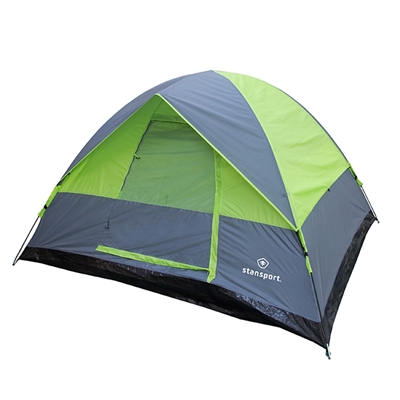
We aren't worried you'll forget one, but choosing the right kind of tent for your trip will be a vital part of your overall experience. With so many kinds of tents on the market, it can be difficult to narrow down your best options. That's why we've done the work for you. We've tried and tested our products for quality and effectiveness and have concluded that either a basic dome tent or an instant pop-up tent will suit most beginner campers.

Basic Dome Tents

These tents are true to their namesake because they pop up into a dome shape. This means that, unlike with an a-frame tent, you're in for a pretty roomie experience. These tents aren't made for walking around in, but unlike some single-sleeper tents, they still offer plenty of room to breathe. At 4.5 feet high and 8 feet wide, this tent provides enough room to sleep four people, but we certainly won't judge anyone who's looking for that Weasely camping experience.
Dome tents are painless to assemble and break down, and are light and compact for easy transportation. Because these tents are free-standing, you can assemble them completely before staking them into the ground. You should stake your tent securely on all four sides to prevent it from blowing away as soon as a gust of wind comes your way.


Instant Tents

These miniature bedrooms are ideal for extended stays in one location. Setup is easy, although all
instant tents featuring an articulated frame will require more than one person. The more people you have, the easier it is to set one of these up. With the help of your family, your instant tent can be completely up and running in just two or three minutes. A tent like this will easily sleep six people.
These homes away from home are a perfect combination of comfort and the outdoor experience. At 6-feet tall, they offer enough room for most people to walk around in, and the ten by nine-foot floor space provides plenty of space for cots, mattresses, and any additional gear you might want to bring in with you.
The advantage of an instant tent is, of course, its unparalleled convenience. However, this tent will not be for you if you're looking for a backpacking experience, you're traveling alone or you're setting up in windy conditions.


Yes, you could just grab a couple of blankets out of the closet, but here's why you shouldn't:

Space

Unless you're camping in your own backyard, you'll need to pack your gear in a car or truck. As survivalists, we naturally prefer the minimalist approach, but we're sure you'll agree that having adequate seating room for everyone on your trip is ideal.
Sleeping bags are light and compact, they roll up neatly and you can squeeze them virtually into any corner of your car. Depending on how much you're willing to spend, sleeping bags easily fit into or onto your pack, giving you a hands-free experience if you're hiking to set up camp.

Temperature

At higher altitudes, summer temperatures can easily still drop into the 30s and 40s at night. Covering yourself back to front in a comfy cocoon will ensure you don't shiver through the night and wake up stiff and miserable. Choose a sleeping bag appropriate for the weather by checking its temperature rating. We offer summer, winter and three-season bags.


Moisture

Finally, a proper sleeping bag will still keep you warm even when moist or wet. Although you may not be planning on rain, when camping, it's better to be prepared for the worst-case scenario than not. Nothing will ruin a camping trip faster than being underprepared for the weather.


Butane Stove

If you're camping for more than a night, a stove like this will be an absolute essential. Unlike a camp fire, these flames are predictable and will help you prepare more than just s'mores.
If you'd planned to cook food over a fire, consider this:

Temperature control is pretty difficult with an open flame. We get it, a camp fire is one of the backbones of the experience, but we recommend saving the open flame for warmth and light. The temperature control on a portable stove will allow you to boil water to make beverages or cook rice, and it'll ensure that your entre doesn't become a charred brick as soon as you take your eye away from the kitchen for a minute or two.

A butane stove is easy to assemble and disassemble, and doesn't require any wood or other burning materials. You'll use it in conjunction with one of these disposable butane gas canisters, which can be refilled with the help of certain adaptors.
Portable stoves are easy to clean and store.


Gerber knife or Multi-Tool


Think the Swiss Army Knife on steroids. If you think you don't have a lot of use for such a complex tool, think again. While they may look like they require the handling or an expert outdoorsman, Gerber knives and multi-tools are a must-have on the campground, whether you've a professional or a novice.

Multi-Tools

Multi-tools offer a number of effective solutions to the everyday problems you'll encounter while

camping. They can look intimidating, but consider that they're great for basic tasks such as tightening a lose screw, opening a bottle, picking something out of a tight crack, measuring a space or cutting something open. You don't have to be a wilderness expert to utilize a multi-tool in this way, and it'll save you hundreds of frustrating trips to and from your car or toolbox to keep one of these in your pocket.
Keeping a multi-tool with you while camping helps you to prepare for the worst without a ton of extra equipment. These little tools can take on a variety of big jobs to save your time and sanity, and you'll be glad you have one if things ever do go wrong.

Gerber Knives


These knives are similar to multi-tools with the exception that they focus heavily on the knife-aspect of things. Knives tend to be even more intimidating than multi-tools for novice campers, but don't worry: these blades aren't intended for protection. While having a knife in a life-or-death camping situation is obviously more ideal than, say, not having a knife, we know that 99.9 percent of camping trips won't call for violence.
So why bother bringing a knife?
Knives help you to prepare and eat food, cut kindling for a fire or rope for the tent. If you plan on fishing, you'll need a knife. Is there anything a knife can't do? With a creative approach, your knife can handle anything.

First Aid Kit

Let's be real. Whether you're camping alone or with family, both are equally as likely to end with at
least one scraped knee or splinter. We recommend keeping a permanent first aid kit (along with a small fire extinguisher) in your car at all times so that no matter where you go, you're prepared for life's little hiccups.
A small fanny pack stocked with the essentials is a convenient way to keep what you need on your person without taking up extra room in your pack.
Keep a basic starter kit at the campsite or on your vehicle. Your basic kit should contain the following, at minimum:

  • Sterile gauze
  • Tweezers
  • Antibiotic ointment
  • Antiseptic wipes
  • Butterfly wound closures

We also recommend carrying eyewash for those pesky dust or ash particles that are a part of every camping experience.

Become an Expert Camper & Outdoor Survivalist


If you want to take your camping or wildlife experience to the next level, you'll need more than the proper tools; you'll need proper preparation. There are plenty or websites and books on the topic of minimal and wilderness camping, but when it comes to emergency preparation, we prefer a hands-on experience.

The 2-day wilderness first aid course will teach you everything you'll need to know about making proper assessments, treating cold or heat-related injuries, taking care of broken bones or spinal injuries and more.
You'll have a superior hands-on experience and receive expert advice and answers to your questions along the way. Remember that you need to be CPR certified in order to take this course and be at least 14 years of age. We offer training classes throughout the year, or check with American Red Cross to find a class that’s starting now.
This course is based on the Boy Scouts of America Wilderness First Aid curriculum and doctrine guidelines, and uses OSHA's best practices for workplace First Aid training programs.


The Fire Starter

Ready to try your hand at an advanced skill today? The fire starter is one of our favorite camping tools because it is easy to use, affordable and small enough to tuck away in any pocket.
You learned it on Lost in Space: Magnesium burns hot and is unaffected by water! Never mind the logistics of melting ice with a magnesium fire, all you'll need for your camping trip is one block of this fire starter and, of course, your knife or multi-tool.
This little guy isn't just a cool way to impress your friends, it'll be your lifesaver in an emergency. This fire starter will let you build a fire with little other resources at hand.
If you're considering taking your camping experience to the next level, be sure you check out our article on fire safety and wildlife fire prevention.

What you'll need:

To successfully start a campfire, you’ll tinder, kindling and firewood.

Tinder is the stuff that helps you start your fire. It's super dry and will burn up quickly, such as dry leaves and dry grasses. One major advantage to using a fire starter is that it will allow you to work with damp tinder.


Kindling consists of small sticks that will help you to grow your fire. Make sure you have plenty of kindling to get a sizable fire going before laying on any large firewood.

  • Start with a small amount of tinder and surround it with a "teepee" of kindling.
  • Take your magnesium block and, using a knife, scrape off some shavings of magnesium into your tinder. These shavings are incredibly flammable and will burn very hot and very quickly once they come into contact with a spark.
  • Now, use the fire starter to create a spark. 
  • Keep adding kindling to grow your fire.
   
Once your fire is burning strong and you can feel the temperature rising, it'll be time to add larger logs one at a time.
You can continue the "teepee" method by laying blocks of wood against one another or you might prefer a pyramid approach. Don't add too much firewood at once. Making a lasting fire takes patience.


Remember that no matter where you are, building your fire safely so that it can't burn out of control should be paramount. If you don't have a fire pit to work with, you'll need to create your own. Keep in mind that you should only be building your own fire pit in an undeveloped area in case of an emergency. Build a fire to stay warm, deter wildlife or to signal for help.
Do you have a favorite camping tool or safety tip? Let us know in the comments below.

Friday, April 20, 2018

All About Droughts

Nearly every part of the United States will experience a period of reduced rainfall this year. While droughts can be stressful for a number of reasons, preparedness is the key to surviving drought season. Read on to learn more about what droughts exactly are, how they affect us, and what we can do during dry times.


What is a drought?

To put it simply, a drought is a period of unusually dry conditions that results in water-related economic problems. For a farmer, a drought is a period of low rainfall that impedes growth of the crops he is cultivating. For a water manager, a drought is a water-supply deficiency period that negatively affects water availably and water quality. Droughts are usually recognized by a lack of precipitation and low streamflow.

Drought Regions 

Almost all parts of the country experience droughts at some point. To check if your hometown or state is experiencing a drought right now, you can check the University of Nebraska Drought Monitor Map here. Some states are much more likely to experience drought than others. At the top of the drought-prone list are Texas, Oklahoma, Arizona, Kansas, New Mexico, Nevada and California, with Southern California especially known to have some of the worst drought conditions in the nation.


Can droughts be prevented?

Yes and no. While you obviously can’t control the weather, you can help preserve water so there’s a sufficient reserve during dry months and the stress on your area isn’t as severe. There are lots of ways to do this, but a few of our favorite tips are:
  1. Use low-volume water conservation appliances in your home. This can hugely impact things like flushing your toilet and taking a shower. Look into installing these appliances – you’ll save water for drought season and save money on your water bill.
  2.  
  3. Get your home regularly checked by a plumber. Dripping adds up. A leaky faucet wastes 5 gallons of water per day, or 2,082 gallons per year. A pipe leak even the size of a pencil tip can waste 970 gallons of water in just one day, and that’s at low water pressure. Make sure you’re not wasting water with faulty appliances.
  4.  
  5. Plant local plants & drought tolerant grasses. Plants that are adapted to your local climate don’t need water as frequently and can survive long dry periods. Because they’ve adapted to local conditions, they also don’t need additional care involving pesticides or fertilizers, providing a highly eco-friendly solution. 

Worst Case Scenario

We could all sit back and do nothing during drought season, but this has some serious consequences. Water scarcity means more than just shorter showers, brown grass and dirty cars. According to the United States Food and Agriculture Organization, severe drought destabilizes the food supply and threatens food availability. As a result, prices increase, livelihoods are lost, purchasing power plummets and human health is endangered. In 2015, for example, California suffered a severe drought, and over 560,000 acres of farmland went unsown as farmers had to code with water shortage. That’s a lot of food that never arrived in grocery stores.

What can I do to help?

Nobody wants to experience the devastating effects of a worst case scenario situation. Luckily, there are lots of things we can all do to help today. In addition to taking preventative measures before drought season is upon you, making small habitual changes during droughts can really help on a macro scale.

If you must wash your car, look for a commercial car wash that recycles water (they’re more common than you might think). If you have to water your lawn, do so early in the morning or late at night when temperatures are cooler to prevent waste through evaporation. Remember that most of the year lawns only need one inch of water per week. If your grass springs back up after your step on it, it doesn’t need to be watered.

Try to make conscious effort to reduce your use of water whenever you can. Ask the waiter to not bring water at restaurants if you know you’re won’t be drinking it. Turn off the water while brushing your teeth. Only use the washing machine for a full load.
While it might seem like these changes only save small amounts of water, every drop adds up immensely, especially when we all work together to save.

Droughts happen, but if we educate ourselves about them, we can greatly reduce our human impact. Working together is key to maintaining a safe water supply and good quality of life for everyone. Got any good ideas on saving water before and during drought season? Leave it in the comments!


Monday, September 18, 2017

Road Trip Tips, Advice & Safety Checklist

Hitting the open road is as exciting as it gets, but the thought of venturing through countless miles of unknown terrain in a less-than-perfect vehicle can be more than a little intimidating. If you want to enjoy the ride without obsessing over every silly little thing that can go wrong, you need to heed one important word: preparedness.

Before you fire up that car or RV, here are some essential road trip safety tips.


Stock Up

Do you have a road trip checklist? If not, you should. We won’t dive into everything you need, but here are just a few essentials that will ensure a safer trip:

• Your passport and driver’s license – A driver’s license may be sufficient if you’re not crossing national borders.
• Spare cash – Don’t keep it all in one location.
• Extra bottles of water – If you break down, you don’t want to be without these.
• A first-aid kit – Like this fannypack
• Any essential medications – Make sure you have enough for the entire trip.
• An extra tire, lug wrench and jack – You can’t always rely on your Auto Club membership in the middle of nowhere.
• Engine coolant – And other assorted engine fluids.
• Vehicle phone chargers – These can be found at most electronics stores.
• Maps or a GPS device – Don’t rely solely on your phone.
• Season-appropriate clothing – Check the weather of all cities and regions you’ll be traveling to.
• Flashlights – Preferably strong LED flashlights, like the Streamlight Stinger DS LED Rechargeable Flashlight.
• Road flares – These are essential for emergency situations.

Depending on where you’re traveling to, you might also need other incidentals like high-grade sleeping bags, mosquito nets and bear spray. Make sure to research all the routes you’ll be traveling along and then pack accordingly.


Prepare for a Tire Blowout

The dreaded tire blowout is one of the most common road-trip hazards. If it happens to you, slowly coast to a safe location and stop the car. Don’t brake or swerve abruptly. With the car stopped, turn on your hazard lights and activate the emergency brake. Then exit the vehicle, apply wheel wedges to your wheels (to further prevent rolling) and remove any hubcaps. If you don’t have wheel wedges, large stones should do the trick.


Loosen—but do not remove—your lug nuts, and then use your jack to raise the vehicle. The jack should be situated alongside the flat tire just beneath the vehicle frame. You want to raise the vehicle about six inches. Unscrew the lug nuts and then slowly remove the flat tire and replace it with your spare or extra tire. You’ll want to ensure that your spare is firmly mounted to the lug bolts.

With the new tire in position, place the lug nuts back in their original position and tighten them by hand. Then lower the vehicle and finish tightening them with your lug wrench. At this point, the wheel should be touching the ground but still be elevated enough so that the vehicle’s weight is somewhat off the tire. With the nuts tight, finish lowering the vehicle and remove the jack. Replace the hubcaps, check the tire pressure, and continue on your journey. If you’re using a spare tire, head immediately to the nearest tire replacement center.


Keep Your Cool in a Disaster

When you’re driving through different climates, elevations and road conditions, you have to be prepared for the types of emergencies that might not be common back home. Here are a few protocols to keep in mind when you encounter some of the more common hazards:

Flooding – Turn on your headlights at the first sign of heavy rain, and leave extra room between your car and the car in front of you. If you receive a flood warning, try to move to higher ground. If flash flooding begins, slowly pull over to a safe spot on the side of the road and stop the car. Do not under any circumstances attempt to drive through water. Wait for the flood to subside or help to arrive.

Tornadoes – If you can see the tornado and it’s far off in the distance, get out of its path by driving
away from it at a right angle. Then seek shelter in a nearby sturdy building until it passes. If you’re already caught up in the wind in debris, stop the car, put on your seatbelt, and place your head down low, beneath the height of the window. If possible, cover your head with a blanket or jacket. Make sure your other occupants do the same. Wait for the tornado to pass.


Sandstorms – If you’re driving through the Southwest, you may encounter a sandstorm or dust storm. If this happens, first pull off the road completely, then stop by putting your car into “Park”. Never stop in a roadway.
To avoid other motorists from mistakenly using your vehicle’s lights to try and drive through the storm, turn off your lights and keep your foot off the brake. Stay buckled.


Know Your Rest Stops

Rest stops are essential for road-trippers. You can easily search maps and online databases to find a list of rest stops along your route, but finding safe rest stops is a bit trickier. After all, you don’t want to bring your family to a seedy location for R&R. With that in mind, look for rest stops that are well-lit and well-populated. When doing your online research, make a list of rest stops that have onsite security. Finally, don’t spend the night. A rest stop is a great place to recharge your batteries, but a prolonged deep sleep leaves you more vulnerable.


Be Proactive About Your Safety on the Road

It’s important to ensure that your vehicle is in excellent condition before you hit the road. Get the oil changed, make sure you’re up to date on the servicing, and replace any hoses that are leaking or corroding. To prevent overheating, make sure that your engine has the recommended amount of coolant and avoid running your air conditioner while ascending steep grades. If your car does overheat, pull over and stop. Open the hood and let the engine cool off naturally. Refill the radiator with water as a last resort to help you get to a location where your car can be properly serviced.


If you run into any sort of emergency, pull over to the side of the road and turn off your vehicle. Turn on the hazard lights and use any warning signals that you have available, such as road flares. While waiting for help to arrive, remain inside the vehicle with the doors locked. If you don’t have some type of roadside assistance coverage, now is the time to sign up.

Don’t let your fun be ruined by the faint possibility of an emergency. As long as you’re diligent and prepared, your upcoming road trip can be one of the best experiences of your life.


Wednesday, July 12, 2017

Beat the Heat


Summer's heating up and for many places across the country, that can mean extreme daytime temperatures. Depending on the air's humidity, even temperatures below 100 degrees can become downright dangerous.

The way that humidity changes the temperature feel is referred to as the “heat index”, or sometimes the "apparent temperature". It is the temperature our bodies feel when evaporation is impeded due to the moisture already in the air.


Our bodies are covered in sweat glands, which help us to perspire. Perspiration is unfortunate when it happens in an interview or on a date, but it is absolutely vital to survival otherwise.

When your body's temperature rises, whether from exposure to heat or from exercise, your nervous system sends a signal to your glands produce sweat. As sweat reaches the surface of your skin, it evaporates to cool your body.

This effect can also take place through artificial methods such as spritzing yourself with a water bottle or applying a wet towel.

Drink Water

It's obvious but it has to be said: Sweat consists mostly of water and it must be replaced. In order to sweat properly and avoid dehydration, it's important to drink plenty of water every day.
Your body uses two to three liters of water to perform its basic functions, on average; in the summer, your body might require twice that depending on your activity level. When you aren't hydrated enough, you'll find that your urine is more yellow and your sweat more salty.

Understand Diuretics

The most common diuretics include alcohol and caffeine. When you consume a diuretic, your nervous system becomes confused and believes that you're retaining too much water. As a result, you run to the bathroom a lot more often than you normally would.

Don't confuse your frequent trips to the John and your clear urine with hydration. Once the effects of caffeine wear off, your body will realize its mistake and you'll find yourself with a dry mouth, dry bladder and potential head and body aches.

The dehydrating effects of caffeine can't be avoided, but you can curb them by understanding them. Be aware that just as with sweat, your body's precious water resources need to be replenished as your body loses them.

Don't Wait Until You’re Thirsty

When your body signals thirst, it's likely due to a fluid imbalance that increases the salt concentration in your cells. Because you are already sweating more, it can be much more difficult to correct the imbalance than to keep it from occurring in the first place.

Drink a few ounces of water every hour to ensure your body's cells remain hydrated. However, avoid drinking extreme quantities of water at once, especially after sweating excessively. Just as your cells can become unbalanced with salt, they can become saturated and unbalanced with water. Both can have deadly consequences.

Use a Fan

Because your body always loses tiny amounts of water through its pores, evaporation happens around the clock. Air conditioning is an ideal way to keep your home cool, but you can up the comfort level without upping the energy costs with the simple use of a fan. Whether you opt for a basic box fan or go with a fancy solution, the outcome will be the same. As air moves across your skin, hot and humid air is displaced and evaporation occurs. In the wintertime, you know this effect as the "wind chill".

Children & Babies

You may notice that children tire less quickly in hot conditions. They'll happily run on the playground without pause while you're chugging away on ice water in the shade of the trees nearby. Why?
Because kids have a higher surface area to body mass ratio than adults, the relative area where heat dissipation can occur is larger. Generally speaking, this means that children are better at staying cooler, especially in low-humidity climates.

However, it doesn't mean that children are immune to the effects of heat. Like adults, they do sweat and can become dehydrated, and extensive stints in the sun can absolutely cause heat-related illnesses such as heat exhaustion and heat stroke.

Use Common Sense

If it feels unnaturally hot, don't risk it. During the daytime hours between 11 am and 3 pm, the sun's UV effects are normally the most intense. During this time, heat builds up, oftentimes peaking around 5 pm in the summertime.

Let your kids play outside in the morning hours before 11 am or in the evening when the sun has made its descent.

Don't Forget Sunscreen

Swimming can provide hours of fun and exercise without the risk of overheating. But did you know that many adults are still confused about sunscreen? We can’t blame them – sunscreen’s application instructions are vague at best, and cosmetic companies haven’t made education a priority.

It’s important to note that sunscreen isn't a one-and-done deal. In order for it to be effective, it must be applied liberally and often. The term "liberally" can be subjective, but the Skin Cancer Foundation recommends you use "the equivalent of a shot glass (two tablespoons) of sunscreen to the exposed areas of the face and body – a nickel-sized dollop to the face alone."

The sunscreen you choose should be labeled "broad-spectrum", which means it doesn't just block the rays that cause you to burn but also those which can cause skin cancer later. It should list zinc oxide as an active ingredient - the higher the concentration, the more effective its sun-blocking powers. Choose a sunscreen with an SPF of 30 or higher.

Apply sunscreen 15 minutes before going outside, and every hour after that.

Finally, skip the spray sunscreen since it is oftentimes not applied properly or liberally enough, and it can be easily inhaled.

Don't Give Water to Babies

We are 60 percent water, and in babies, that concentration is even higher. So it only makes logical sense to drink water often and regularly. However, babies don't require additional water. The water contained in breast milk or formula satisfies all of their fluid needs, and adding additional liquids to the mix can cause imbalances, interfere with the absorption of nutrients and curb baby's appetite.
If your child is under six months, we recommend avoiding the heat as much as you can so that baby doesn't sweat unnecessarily.

Dogs

Unlike humans, dogs don't have the ability to sweat all over. While dogs do have some sweat glands in their noses and on their feet, they rely mostly on their lungs to evaporate moisture and produce cold air. This is why dogs pant.

Although this is an effective solution to the problem of heat, it doesn't mean that your dog is immune to heat-related illnesses. In fact, some dogs are much more prone to overheating than you are. Short-nosed breeds such as bulldogs and pugs have compromised airways because of their genetic makeup, which is why many of them snort, snore or pant excessively even in cool temperatures.


This above chart from gopetplan.com allows you to see how even moderate temperatures can affect dogs. Dogs are at higher risk of heat-related illness when they are very young, very old, have short snouts or are large or overweight.

Exercise

If you find that your dog is lagging behind, even at a slow pace, don't push it. Read your dog's body language and understand that when he pumps the brakes, so should you. Reserve long walks for early mornings or late nights, and keep your pup inside during the day.

Don't Give Your Dog a Summer Cut

If your dog has an undercoat, a summer cut will compromise his ability to regulate his own body temperature. You can easily recognize the undercoat by running your hand backward through his fur. An undercoat will be shorter, sometimes differently colored and feel different from the top coat.

Common dog breeds that have undercoats include the Husky, Chow, Sheep Dogs, Pomeranians, Collies, Corgis, German Shepherds, Golden Labs, Retrievers, most Spaniels and Terriers, Schnauzers, Shih Tzus and longhaired Dachshunds.

Watch the Pavement

We've all walked across the pavement barefoot only to end up in a panicked run when the realization of just how hot things are sets in. The darker the pavement, the more heat it'll absorb, but even lighter colored sidewalks can heat up to uncomfortable temperatures. According to this data, the surface temperatures of asphalt can reach 158 degrees during the summertime with concrete hovering around 120 degrees.


While the pads of your dog's feet are tougher than human skin, the extreme temperatures of asphalt during the summer mean you should take special precautions. If the pavement you're walking on feels too hot to you, use your judgment; it's likely to be uncomfortable or painful for your pup.

Stick to unpaved areas and move your walks to cooler times of the day before the sun's come up and after the sun's gone down.

Heat Kills

You've heard it before: Don't leave dogs in cars. If you've ever gotten into your car on a warm day, you know that the indoor temperature of your vehicle does not reflect the outside, even with the windows down. Let's break down how this works.

Whether it's 100 degrees outside or 65, a car will effectively become a greenhouse over time. In the sun, the temperature inside a vehicle will rise almost 20 degrees in just 10 minutes. In 25 minutes, the rise in temperature reaches nearly 30 degrees. In an hour, the temperature inside your car will rise over 40 degrees.

That means that in the time it takes you to buy a pack of gum at your local corner store, your vehicle's internal temperature can rise from 100 to 120 degrees in the summertime. No matter the breed, age or size of your dog, temperatures above 90 are unsafe.


Questions? Comments? Leave them below.

Thursday, May 18, 2017

Wildfire Planning & Prevention

For decades, Smokey Bear has warned us of the dangers of wildfires. As responsible and concerned citizens, we've done our part to properly extinguish campfires and heed burn ban warnings. Nevertheless, humans continue to cause roughly 90 percent of wildfires in the United States. These fires, which occur more frequently in drier climates, can move up to 14 miles per hour, destroying everything in their paths, from properties to livestock.


Preparing for a wildfire is similar to preparing for other emergencies that require evacuation. We'll talk about how you can prepare yourself and your loved ones for the event of a wildfire in detail below. But first, let's recap some wildfire prevention tactics.


Most of us aren't strangers to wildfire safety. We've heard the warnings and seen the posted signs. However, the fires we intentionally start continue to be the number one cause of unintentional wildfires in the U.S.

Campfires

Campfires are a wonderful way to enjoy an evening with friends of family; some might call them a necessity of camping, whether for cooking, warmth or atmosphere. While you may have some trouble getting your fire started, you know that once aflame, the blaze will continue for hours without much attention to detail.

1. Campsites equipped with fire pits will allow you to keep your fire safety contained in approved containers that have passed rigorous safety tests. If your campsite doesn't have a fire pit, don't attempt to create one on your own. If a fire pit is absolutely important to you while camping, check your local camping registration website or call the desired location directly to inquire about this feature before setting up a date to camp.

2. You're snug by the glow of the fire, the marshmallows have been roasted and the conversation is winding down. Before you retreat to your tent for the night, ensure you've extinguished your campfire completely. Never leave a campfire burning, or even smoldering, unattended. Unanticipated gusts of wind need only to catch a small burning ember to start a flame.

3. Campgrounds may change the rules about campfires throughout the course of the year, depending on the perceived risk for fire. These rules are intended to prevent wildfires, not to ruin your camping trip. Don't start fires when it's prohibited, even if you believe you are starting a fire safely while taking proper precautions such as properly extinguishing your flame.

Yard Waste Fires

In many areas around the country, it's acceptable to burn yard waste such as leaves or brush. However, like campfires, these types of fires must be carefully monitored, as they are one of the leading causes of wildfires.

1. Burn yard waste in proper receptacles such as burn barrels. Your city likely has strict regulations regarding what constitutes a proper receptacle. In addition, your city will be able to give you additional information regarding the types of materials you can burn, when you can burn and where you can burn.

2. When burning yard waste, ensure you stay nearby at all times. Never leave a fire unattended; a small spark can become a flame in a matter of seconds.

3. Keep fire extinguishing materials such as a hose or fire extinguisher nearby as you attend your yard fire. In the event that sparks ignite, make every attempt to control the fire yourself. Direct another person to call 9-1-1 or, if you are alone, call the emergency services if you feel like you cannot control the fire on your own.

Although wildfires most commonly start in the two ways above, there are many other ways in which fires can begin.
In order for a fire to start and continue, only three things are needed: oxygen, fuel and heat. Since oxygen exists in our atmosphere, a fire can start virtually anywhere if fuel and heat are present.


Fuel

Fuel is anything that allows a fire to continue burning. Fuel can consist of chemicals such as petrol or of natural materials such as grass or wood. The latter are especially susceptible to becoming fuel sources during dry months.

Heat

Heat can originate from flames on matches or cigarettes, but heat is widely available nearly anywhere, especially during the summer. Your car's engine provides heat, as does an afternoon desert wind.

When heat, fuel and oxygen are combined, they create a perfect trifecta necessary for combustion.
Below are some other common man-made ways in which wildfires start.

1. Cigarettes
2. Chimneys & stovepipes
3. Lawnmowers
4. Cars parked on grass
5. Faulty machinery - general

In order to do your part to prevent wildfires, know the risks, heed the warnings and take proper precautions.

Planning

Make your home safer by clearing dry brush as required by local regulation. Also, clear all debris from your roof, gutter and spouts.

If you have never practiced an evacuation with your family, do so at least twice per year. Practice a scenario in which you're able to leave together in an organized fashion as well as a scenario in which you cannot.

If a wildfire strikes your area, you'll likely be warned well in advance. If you receive an emergency warning about a wildfire in your area, don't delay. Put your emergency evacuation plan into action immediately.

Your emergency plan for evacuation should include the following:

  • What you will take
  • How you will leave
  • Where you will go

What should I take?

Looking around your home and planning which items to leave behind is not an easy process. Each item in your home likely has a memory attached to it, from your books and music to your furniture.

Irreplaceable Items

Some items truly can't be replaced; your grandmother's wedding ring, a childhood blanket, your autographed first edition of Cosmos. Keep these items together in a safe place that's easily accessible in case of an emergency.

Identification

Identification can be replaced, but it's usually a long and expensive process. In addition, there's not a lot you can get done without proper identification, from driving across town to renting a hotel room. You can store important papers in one of our waterproof document pouches in order to keep them safe, dry and in one place.

  • Passport
  • Driver's license
  • Birth certificate
  • Social Security card
  • Health insurance card
  • Car insurance card


In addition, consider keeping a copy of your bank account number, your home's deed, your car’s title and your emergency contact information in your safe place.

Prescriptions

If you take life-saving medication, we recommend that you store an extra set of your prescriptions with your emergency evacuation pack. This might also include medication you give to your pet or pets.


How should I leave?

Ready.gov is a site dedicated to helping you and your family to make a plan. You can utilize the make-a-plan section in order to figure out all of the important aspects of your emergency evacuation including how to decide on an emergency meeting place, how to practice the evacuation plan and what supplies you should gather ahead of time.


Where will I go?

Deciding where you'll go in the event of an emergency is a vital part of making a proper plan. Consider the following when narrowing down your options.

  • Kids
  • Pets
  • Mobility
  • Distance


2. If a wildfire surprises you, your evacuation plan will differ. You may not have time to communicate with your family or gather your essential supplies. Although it's a scenario no one wants to think about, it's an important one to consider and practice. Adequate preparedness is your best line of defense in the event of a disaster.


When preparing for a sudden emergency, consider the following:

  • Are the devices in your home designed to warn you of fire in working condition?
  • Does everyone in your home have access to a fire extinguisher?
  • Does everyone in your home have access to an escape route, such as a fire ladder?
  • Does everyone in your home know where to meet in the event of a home fire?
  • Are you prepared to apply first aid or CPR if it's needed?
  • How will you safely remove pets from the home?


If you have any questions about disaster preparation, just ask us. We're available via phone, email, snail mail or at our store location in Van Nuys.